
Freezing Butternut Squash
We have found that one of the easiest vegetables to grow in our garden is butternut squash. Just last fall we randomly threw the seeds from squash along with kitchen scraps into our garden. By the summer, we had vines of butternut squash growing throughout the backyard. In fact, it was more than we could ever consume or give away. That’s why I learned the important skill of freezing butternut squash.
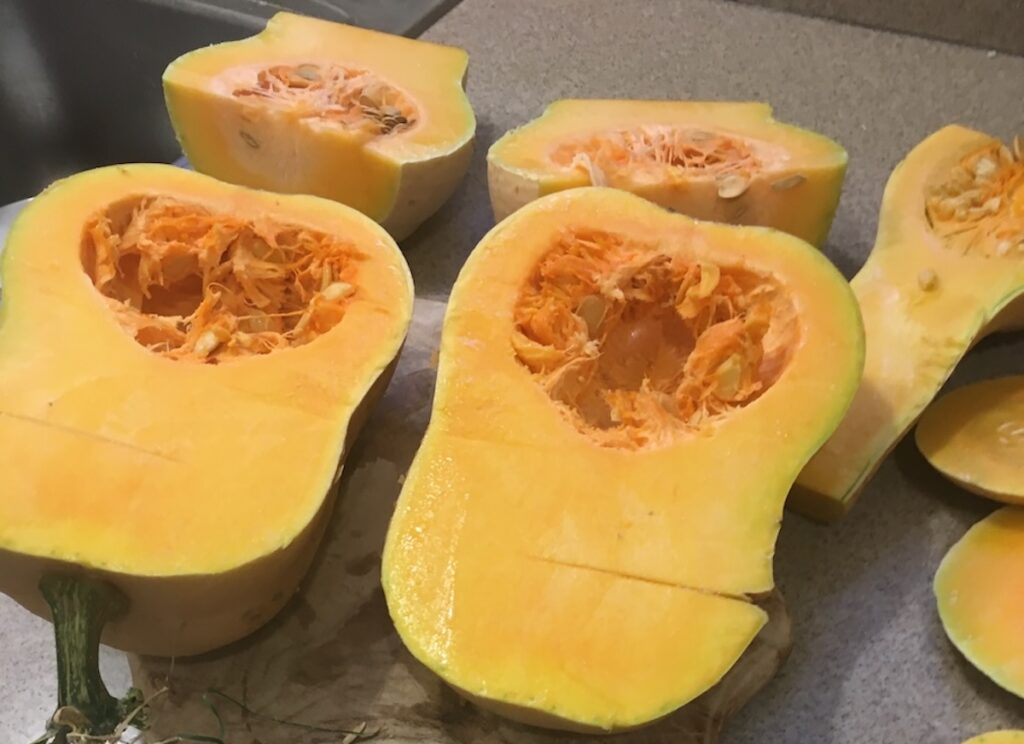
Freezing butternut squash: Key methods
This page may contain affiliate links, which means I may be compensated if you click a link. However, there is no cost to you. Also, as an Amazon Associate, I earn from qualifying purchases. For more info, please see my Privacy and Disclosure page.
Freezing keeps the squash flavor and texture intact, so you can enjoy it in soups, casseroles or roasted dishes anytime. Here’s how to properly freeze butternut squash to make sure you have it on hand for recipes throughout the year.
There are two key methods to freeze butternut squash, depending on whether you prefer to freeze it raw or cooked. Both options will help you preserve your squash for long after the fall season.

Freezing raw butternut squash
Freezing raw butternut squash is a straightforward process that works well if you want to use it in dishes like soups, stews or roasted vegetables. It is often the preferred method as it is quick and efficient.
Start by cleaning the squash under cold water to remove any dirt. Next, peel and cut the squash into cubes or slices, depending on your preference. Smaller cubes work best for quicker cooking while slices are great for roasting.
Dry the squash pieces completely, using a paper towel or kitchen towel to remove excess moisture. Moisture equals freezer burn. Once dried, place the pieces on a baking sheet in a single layer and freeze them for a few hours until solid. This prevents them from sticking together later.
Once frozen, transfer the pieces into freezer-safe bags or containers. Remove as much air as possible to prevent freezer burn. Label the bags with the date and store them for up to 12 months.
Freezing cooked butternut squash
Cooked butternut squash also freezes well. This is an excellent option if you intend to use it in purees, soups, or casseroles where the texture doesn’t need to stay intact.
- Cook the squash by roasting, sauteing, steaming or boiling until tender. An easy way to do this is by using your Instant Pot.
- Let it cool completely.
- Puree the squash if you’d like. I find that using an immersion blender makes this step go quickly.
- Divide cooked squash or puree into portions, such as one-cup measures, before transferring it into freezer-safe containers or bags.
- Remove any excess air from the bags, then seal them tightly. Label the containers with the date and store them in the freezer for up to 10 months.
Using frozen butternut squash
The way you use your frozen butternut squash will depend on whether it is frozen raw or cooked. Raw preparations will maintain more of their texture compared to cooked preparations.
Raw butternut squash can be added directly to soups, stews or casseroles without thawing, as the moisture it retains from freezing won’t affect these dishes. It can also be pureed or mashed and served alongside some delicious roast chicken or lamb. However, it’s not suitable for roasting after freezing, as it will become too wet and will steam rather than roast.
“I always keep a bag of frozen butternut squash in my freezer as it saves me the hassle of peeling and chopping a fresh squash,” says Kristin King of Dizzy Busy and Hungry. “It’s perfect for making quick stovetop butternut squash soup. Sometimes I even dump a bag into the slow cooker with some diced apples, dried cranberries and warm spices for an easy, flavorful side dish!”
Cooked butternut squash can be utilized in recipes such as purees, soups or baked goods. Since cooked squash becomes softer after freezing, it is best suited for dishes where texture is less critical, such as creamy soups, sauces or mashed dishes. Try adding warm spices like cumin or pumpkin spice for added flavor.
Final tips
Here are some additional tips to keep in mind when preparing to freeze this wonderful fall vegetable:
- When freezing butternut squash, it’s important to select squash that is firm and free of blemishes.
- Overripe or damaged squash may become mushy after freezing.
- To prevent freezer burn, make sure to remove as much air as possible from bags or containers before sealing them.
- Always label your frozen items with the date to keep track of their freshness.
Portions of this article originally appeared on Food Drink Life.