
Different Types of Cream for Cooking and Baking
These days, there are so many different types of cream for cooking and baking. We’ve used a bunch of different of these kinds when making recipes on this blog. This includes dairy creams and non-dairy creams. Read on for the different types of cream you can use and the best ways to employ them in your baking and cooking.

Dairy creams
This page may contain affiliate links, which means I may be compensated if you click a link. However, there is no cost to you. Also, as an Amazon Associate, I earn from qualifying purchases. For more info, please see my Privacy and Disclosure page.
There are similarities and differences among the variety of dairy creams on the market. The similarities? All come from dairy cows and are milk based. The differences? Well, primarily you’re talking about fat content.
Half-and-half is great for adding creaminess without being too rich, while heavy cream takes the spotlight when you want to thicken sauces or create a luscious whipped cream. Again, the difference? Their fat content. Each type has its own purpose in the kitchen. Whether you’re looking to enhance a dish or whip up a dessert, knowing how to use these dairy products can elevate your cooking experience.
Half-and-half
Half-and-half is a mixture of milk and cream with a 10% to 18% fat content. It’s thinner than light cream and won’t whip. Side note: it’s my favorite to add to coffee or tea. It gives a creamy taste without overwhelming the cup or leaving your mouth feeling like it is coated in fat. It’s perfect when you want something creamier than milk but not as thick as cream.
We’ve used it to lighten up our recipe for Crock Pot Hawaiian Roll French Toast Casserole or when a recipe calls for cream and we’re out. For instance, it works perfectly in our Creamy Chicken and Corn Pasta dinner.
Light cream
Light cream has a fat content of around 18% to 30%. So its fat content isn’t quite high enough for making homemade whipped cream. However, it’s perfect for adding a touch of creaminess to light soups and sauces. Some baking recipes call for light cream, especially when a thick consistency is not required.
Whipping cream
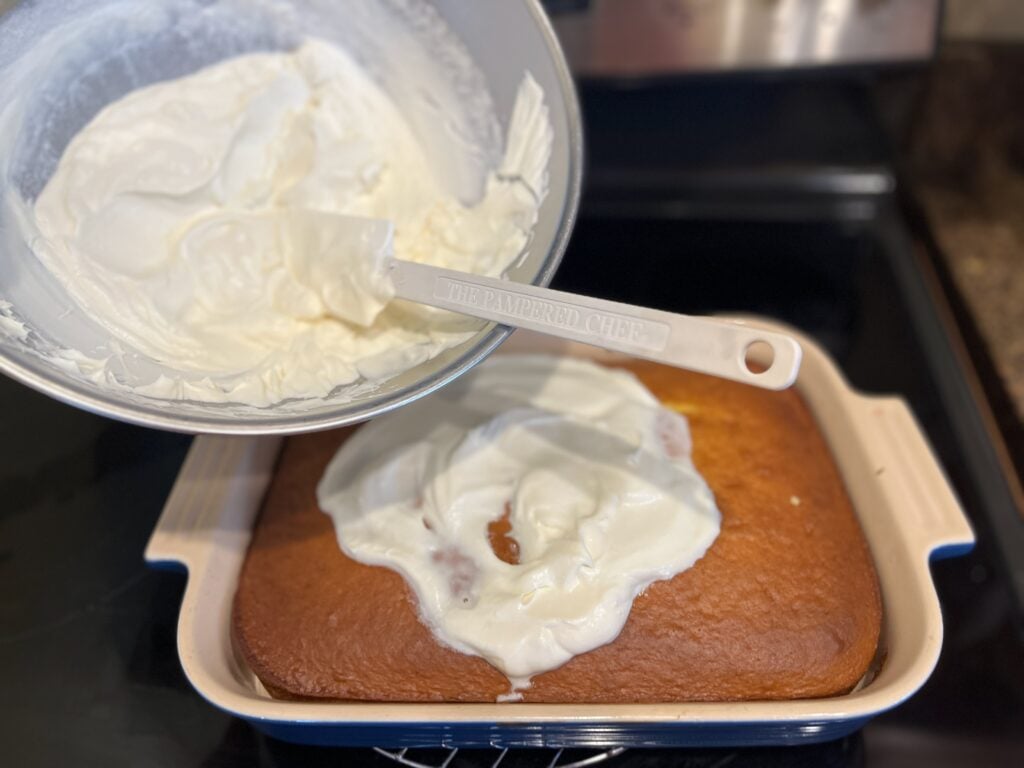
Whipping cream, with a fat content ranging from 30% to 36%, is a cooking cream that has the second highest fat content. When whipped into whipped cream, you can expect softer peaks that’s perfect for topping pies and cakes. Whipping cream can also be added to soups and sauces.
Heavy cream
Heavy cream is also known as heavy whipping cream. Not surprisingly, it has the highest fat content among dairy creams —between 36% and 40% fat content. This is the kind of cream you’ll want to reach for when making creme brûlée or homemade ice cream, such as blueberry ice cream. When added to soups or sauces, a little goes a long way toward transforming a dish into a decadent creamy texture.
“I prefer heavy whipping cream for whipped cream because it holds its shape better than regular whipping cream. It whips up firm and keeps peaks,” says Jere’ Cassidy of One Hot Oven. “For the best whipped cream, chill your bowl and beaters before whipping heavy cream. This helps it whip up faster and hold its shape better.”
Non-dairy creams
At the supermarket, you may notice many non-dairy milk brands that are plant-based alternatives to traditional dairy creams. When it comes to non-dairy creams that provide similar results to dairy options, coconut cream and cashew cream are the most common alternatives.
Coconut cream
Coconut cream is made from the thick, creamy part of coconut milk. It’s high in fat, usually around 20% to 30%, which gives it a rich texture similar to a light cream.
You can use coconut cream in curries, soups and desserts. When refrigerated overnight, you can whip a can of coconut cream into a dessert topping, which is what Shelby Stover of Fit as a Mama Bear does. “Being dairy-free, coconut cream is my go-to to make anything taste rich and indulgent,” she says.
Remember that it tastes like coconut, so it works best in recipes where this flavor complements other ingredients. Obviously, if someone doesn’t like coconut or is allergic to it, don’t use it as a substitute cream when cooking or baking something.
Cashew cream
Cashew cream is made from soaked and blended cashews, typically in a ratio of one cup of cashews to three-quarters of a cup of water. It is an excellent dairy-free substitute for heavy cream and can be used to make pasta sauces, salad dressings or anywhere else you want to add a rich creaminess.
For years vegans had to make this non-dairy cream at home. However, these days you can buy it online at Amazon or in-person at specialty grocers. Note: cashew cream is not the same as cashew creamer. The latter is designed to be used in coffee or tea.
Specialty creams
Specialty creams are unique in their textures, flavors and recipe applications. While they are more common in the United Kingdom, you should be able to find them in high-end or specialty grocery stores in the U.S. Shocker: You can also buy them on Amazon. Some of these specialty creams include:
- Double cream: It has a 45% or higher fat content. Decadent and rich, this type of cream is often poured over desserts. When added to soups and sauces, only small amounts are needed. Shop for double cream on Amazon.
- Clotted cream: It has a 55% to 60% fat content. Its rich, almost butter-like texture makes it luscious and spreadable. In the UK, it’s served with scones and jam for afternoon tea and can be used to top pies and crumbles. Shop for clotted cream on Amazon.
Portions of this article originally appeared on Food Drink Life.