
Why Chill Cookie Dough
When we first invested in our embossed rolling pins, I didn’t understand why you should chill cookie dough before working with it. But then I tried rolling out my treats and guess what? It was a big old mess. The dough stuck to everything and the pieces I could get to work didn’t show any of the embossed designs. From then on I always chilled my cookie dough before using it and here’s why you should, too.
Why You Chill Cookie Dough
This page may contain affiliate links, which means I may be compensated if you click a link. However, there is no cost to you. Also, as an Amazon Associate, I earn from qualifying purchases. For more info, please see my Privacy and Disclosure page.
Chilling cookie dough isn’t just for convenience; it can enhance its overall quality. This process helps create more flavorful, tender and visually appealing cookies.
Like I said, when you use embossed rolling pins, you must chill the dough first to get the beautiful images. Chilling helps the dough hold its shape during rolling, ensuring those intricate patterns stay crisp and defined when baked.
Chilling dough solidifies butter in cookie recipes. And cold butter spreads less in the oven. This helps your cookies hold their shape and create a chewier texture. This is also true if the fat you’re using in your cookies isn’t just butter but also is cream cheese.
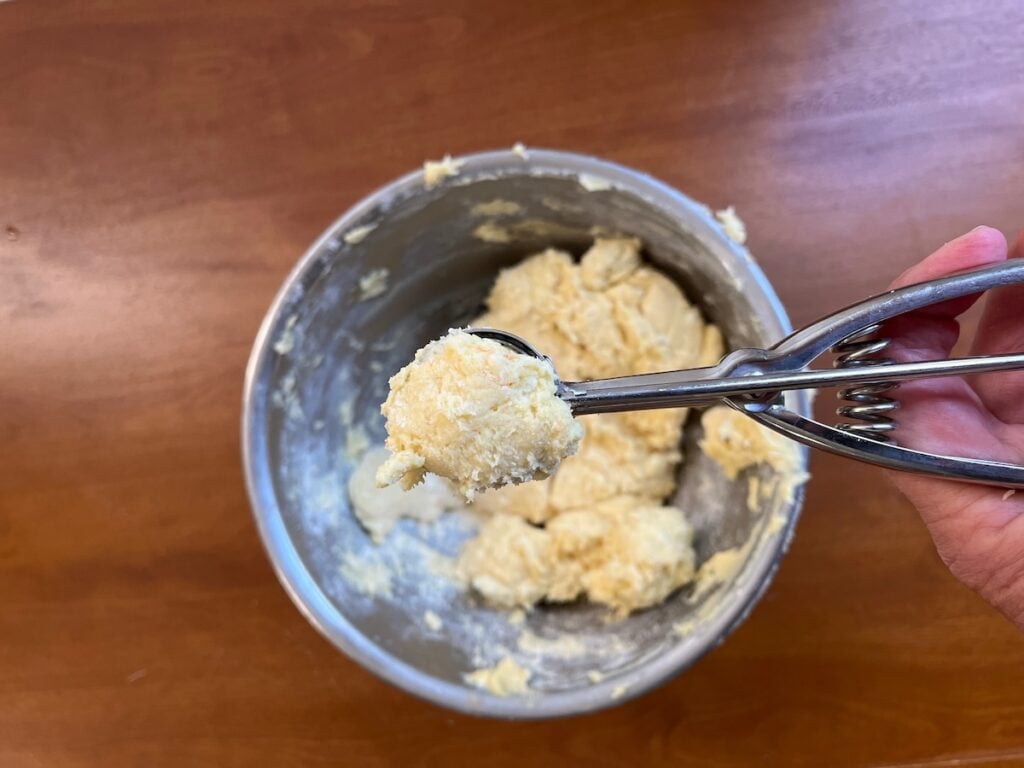
This year my three Christmas cookies all started with cake mix and included butter and cream cheese. The first time I tried my recipe, I hadn’t let the dough chill long enough in the refrigerator. It was a sticky mess and nearly impossible to work with. So I tried again, this time leaving the dough overnight to get cold. The next day, it was the perfect cookie dough for these recipes:
- Red and Green Cake Mix Christmas Cookies
- Christmas Cookies with M&Ms
- Cream Cheese Thumbprint Cookies

How long dough needs to chill
The ideal chilling time depends on the recipe and your patience. For most cookie doughs, a quick 30-minute chill firm up the butter and makes the dough easier to handle.
But, as I learned, that wasn’t enough for my cookies made with butter and cream cheese. So, letting the dough rest for 24 to 48 hours will make them so much easier to work with. Also, it can make them taste better, too. The longer the dough stays cold, the deep their flavor becomes since the ingredients have more time to meld.
Other reasons to chill cookie dough
Here are some other reasons that it is smart to work with chilled dough when making cookies.
Flour absorbs moisture: While the dough chills, the flour hydrates fully from the eggs and any liquid used, leading to a firmer dough and preventing overly crumbly cookies.
Gluten relaxes: Allowing the dough to rest minimizes the development of gluten, which results in a tender, melt-in-your-mouth bite. Think of it like letting bread dough rise — only this time, it helps your cookies stay soft without becoming tough.
Sugar caramelization: The time spent chilling allows sugar molecules to break down slightly, leading to richer, more complex flavors when baked. If you’re making a brown sugar cookie, like this chewy lemon cookie, this step is key for achieving that toasty flavor and golden color.
Tips for chilling cookie dough
Chilling cookie dough is simple, but a few tricks can make it even easier and more effective. These steps not only save time but also ensure your cookies turn out their best every time:
- Wrap it tight: Always wrap the dough in plastic wrap or store it in an airtight container to prevent it from drying out or absorbing odors from your fridge.
- Label it: Write down the chilling time and date so you don’t have to guess how long it’s been resting. This is especially helpful if you’re prepping dough in advance or making multiple batches for a cookie exchange.
- Shape before chilling: Roll the dough into logs or portions with cookie scoops before chilling. This saves time later and makes the dough easier to handle when you’re ready to bake.
“I always chill the dough for cookies, like chocolate chip or sugar cookies, when I want a thicker, chewy texture,” says Kristin King of Dizzy Busy and Hungry. “The difference is noticeable — chilled dough makes richer cookies that hold their shape better, especially for cut-out or drop cookies.”
With these tips, your dough will be ready to go, making cookie baking easy and reliable. Don’t forget that you can always freeze cookie dough for later.
Portions of this article originally appeared on Food Drink Life.