
How to Freeze Raw Eggs
Freezing raw eggs is an excellent solution so you don’t end up wasting perfectly good eggs that spoil before you have a chance to use them. This way you can preserve them for later use in your favorite recipes. Read on to learn how to freeze whole eggs, yolks or just the whites, helping you save money and reduce waste.
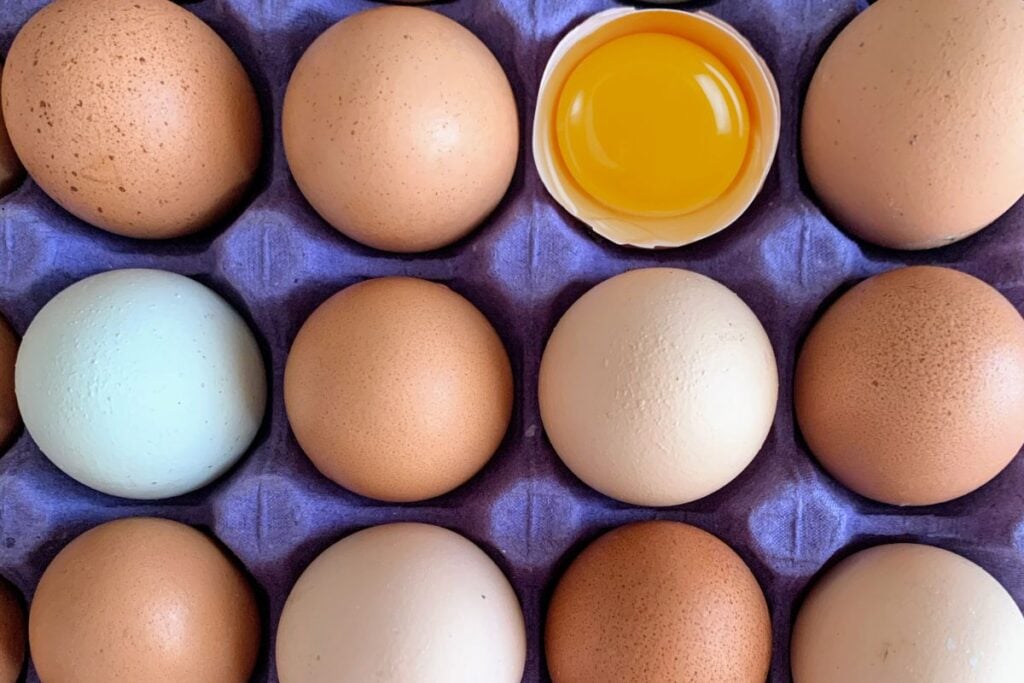
Why You Should Freeze Raw Eggs
This page may contain affiliate links, which means I may be compensated if you click a link. However, there is no cost to you. Also, as an Amazon Associate, I earn from qualifying purchases. For more info, please see my Privacy and Disclosure page.
It makes sense to learn how to freeze raw eggs when you stop to realize how many recipes call for only part of an egg. Making meringue? Well, you only need the egg whites. So why waste the egg yolks? Freeze them instead.
You can freeze chicken eggs for up to a year, so this valuable ingredient is readily available for your cooking and baking needs. Plus, with the cost of eggs rising lately, their becoming harder to find or stores limiting how many you can buy at any one time, freezing eggs is a great way to ensure none go to waste. Or if you find them at a great price and are not sure you will use them up before they expire, knowing how to freeze them is key.
By freezing raw eggs in smaller portions, you can thaw them easily and then add them to recipes that call for one or two eggs. Additionally, if your recipe requires only whites or yolks, it’s simple to retrieve just what you need from the freezer. There’s no need to use an egg substitute when you’re out.
Frozen eggs can be used in a variety of breakfast recipes like classic scrambled eggs and open-faced omelets, or added to pancake or waffle batter. Utilize your frozen eggs for baked goods and egg washes to achieve that golden brown color on top of scones and biscuits. They’re also great for adding to casseroles, enhancing both flavor and texture.
Finally, when freezing eggs, you need to take them out of their shell. This is because as eggs freeze, they expand. And if they are still in their shell, it will crack and then you have a mess.
Preparing eggs to be frozen
To freeze eggs successfully, you need to properly prepare them. This involves cracking and beating the egg, adding salt or sugar, freezing them and transferring the frozen eggs to a freezer-safe container.
How to freeze individual eggs
Here are the simple steps on how to freeze eggs individually for an easy grab-and-go type of method.
- Break the egg in a small dish and stir to combine the yolk and the white.
- Add a sprinkle of salt or sugar.
- Pour the egg into the freezing container and freeze the egg for four to six hours. Once fully frozen, remove from the freezing container and place the frozen egg in a freezer-safe bag.
- Or pour it directly into the plastic freezer bag and freeze it flat.
- Freeze eggs for up to six months.
Add salt before freezing
When freezing the total contents of an egg or just the egg yolk, the texture changes because the yolk will become thick and gelatinous. Make sure to beat the egg until smooth, then add salt or sugar to the beaten egg to stop the thickening. This is an important step before freezing.
Recently Shruthi Baskaran-Makanju of Urban Farmie has to go out of town unexpectedly. “I’d just bought two dozen eggs for baking and they were super expensive,” she recalls. “So, I froze them individually in muffin tins after scrambling them with a bit of salt. When we got back, I just grabbed some as I needed to make scrambled eggs or a frittata.”
The best method for freezing several eggs together
This is best if you know you have a recipe that uses a certain amount of egg, so you can freeze that amount like this recipe for egg, sausage and hashbrown casserole that uses six whole eggs. That’s what Tamara Reid of The Reid Homestead does when, as she describes, “our chickens start laying up a storm in springtime. We often freeze omelet mixes in wide-mouth mason jars with straight sides — jars with shoulders can crack when frozen.”
“Crack open your eggs, and add them to the jar with any fixings you like, such as cheese, ham, veggies etc.,” she continues. “Leave at least one inch of room at the top of the jar, put a lid on and freeze. In winter, when the chickens lay less often, pull a jar out the night before and put it in the fridge. In the morning, pour your ready-made omelet mix into the pan, and you are good to go.”
Expert tip: It’s best to crack each egg individually in a small bowl to make sure it is still fresh and not rotten before adding to a whole batch of eggs.
- Crack as many of the eggs as you want in a bowl, then whisk to combine.
- Add a teaspoon of salt or sugar per one cup of eggs.
- Pour the eggs into a freezer bag and remove as much air as possible.
- If using a freezer container, leave one-half inch of room at the top of the container for the eggs to expand.
- Label the container with the date and how many eggs it contains.
How to freeze egg whites
Freeze egg white by beating it slightly, then pour it into the muffin tin or ice cube tray to freeze. Once frozen, remove from the container and place in a freezer bag for six months. You do not need to add salt or sugar to egg whites.
Frozen egg whites whip up beautifully and quicker than using fresh egg white and are perfect for making meringues for pies or frosting that hold stiff peaks.
How to freeze egg yolks
Break the egg yolk into a small bowl and stir in a pinch of sugar or salt to help stabilize it. Then, freeze the yolk in a muffin tin or an ice cube tray.
While egg yolks can be frozen, it’s important to note that their texture may change upon thawing; they will thaw into a soft solid state but remain usable in most recipes.
How to thaw and use frozen eggs
The following steps should be followed when thawing and using frozen eggs.
- Place the frozen eggs in a sealed container in the refrigerator to let them thaw for six to eight hours or overnight.
- You can quickly thaw frozen eggs that are in an airtight container under cold running water.
- When thawed, stir the eggs really well before using them, and use them as soon as possible to maintain their freshness.
- Do not refreeze eggs that have been frozen.
Containers for freezing raw eggs
Here are some everyday kitchen items you can use as a freezer container when freezing eggs, yolks or whites. Always spray them with non-stick cooking spray before adding. That way they’ll slide out easier on the other end when you go to use them later.
- Muffin tins: Use the regular size for a whole egg and the mini muffin tin for egg yolks and egg whites.
- Silicone baking cups: Place the cups on a tray to transfer to the freezer.
- Ice cube trays: A standard-size ice cube tray will hold one egg yolk or one egg white but not a whole egg, both with the white and yolks.
- Zipper-top freezer bags: Pour the beaten eggs, egg yolks or whites into the bag and lay flat to freeze.
“I lightly beat the raw eggs and pour them into freezer bags,” explains Laura Sampson of Little House Big Alaska. “Sealed and laid flat to freeze, they don’t take up much room and we have eggs all winter long.”
Recap for freezing raw eggs
Freezing raw eggs is a simple procedure with just a few simple tricks.
- For optimal results, add a pinch of sugar or salt to the eggs before freezing.
- Make sure to remove as much air as possible from the freezer bag or freezer-safe container to prevent freezer burn.
- Thaw eggs slowly in the refrigerator rather than at room temperature to avoid the risk of spoilage.
- You can choose the number of eggs to add to each container, allowing you to easily grab and use them in your favorite egg recipes.
- Avoid using the microwave or hot water to thaw frozen eggs quickly, as this can ruin their texture.
- It’s best to freeze fresh eggs, as you should avoid freezing eggs that are close to their expiration date for future use.
Portions of this article originally appeared on Food Drink Life