
Homemade Nut Butter
Learning how to make nut butter at home helps anyone take control of their budget without sacrificing quality. Although prices for store-bought nut butters vary by region, homemade versions almost always cost less.
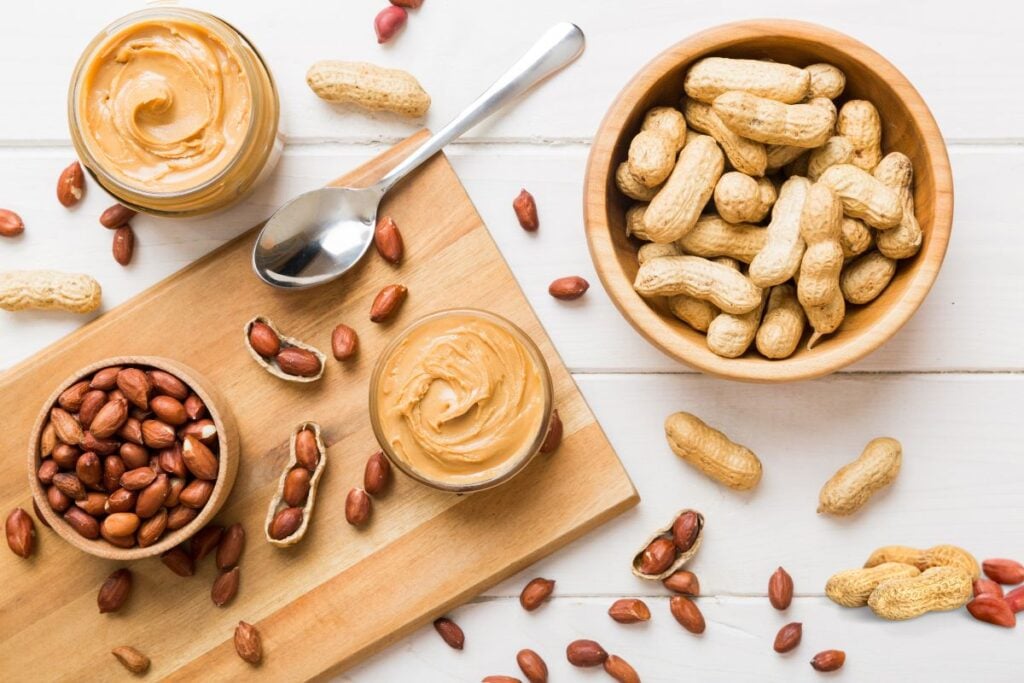
Save money with homemade nut butter
This page may contain affiliate links, which means I may be compensated if you click a link. However, there is no cost to you. Also, as an Amazon Associate, I earn from qualifying purchases. For more info, please see my Privacy and Disclosure page.
To maximize savings, shop sales and look out for stores that sell nuts in bulk. At the time of writing, a 5-pound bag of almonds costs $3.60 per pound at Costco. That is typically a quarter of the price of almond butter. Most nut butters have a relatively long shelf life, so spending just a few minutes in the kitchen creates a supply that lasts for months and leads to big savings over time.

Nut butter basics: A DIY primer
Making nut butter is a simple process that begins with choosing your star ingredient well. Some of my favorite nuts to use in homemade nut butters include:
- almonds
- peanuts
- hazelnuts
- cashews
Toast the nuts for maximum flavor
After choosing which type of nut butter to make, you roast the nuts to deepen their flavor. You can skip this step if necessary. For example, people following a raw diet simply use raw nuts. For everyone else, roasting nuts is easy and results in a more complex, deeper flavor. Roasting time varies by nut. Peanuts need 15 to 25 minutes, while macadamia nuts only require about 8 minutes.
Blend, blend, blend
After roasting, let the nuts cool for a few minutes, then add them to a food processor or blender while they are still warm. Be cautious: some lower-power blenders, such as those made primarily for smoothies, may not handle nut butter well and could get damaged by blending nuts.
A high-speed blender or food processor, such as the Ninja SS351 Foodi Power Blender & Processor System, will be your best friend when making nut butters from scratch. Not sure if your current food processor can is 1,000 watts or higher you should be fine.
Once you add the nuts to the blender, process them until they become completely smooth. If you use a proper food processor or a high-speed blender, you don’t need any oil. With a less powerful machine, drizzle in some oil to help the process. If the machine feels warm, take a break to avoid overheating.
What begins as a clumpy, uneven mix will gradually transform into a runny and creamy butter. The processing time will depend on the nut being used: for example, almond butter requires about 6-12 minutes of blending, so don’t lose hope if the nut butter doesn’t look perfect right away. If the butter doesn’t eventually come together, the nuts likely weren’t roasted for long enough. One way to fix that problem is by adding a little bit of oil at a time until it becomes runny.
The art of customization
One of the best features of nut butter is its simplicity. Homemade peanut butter, for example, has a velvety and luxurious taste that can be enjoyed without any further modifications. But nut butter also responds well to flavor variation, making it an excellent blank canvas for home cooks looking to one-up store-bought versions and maybe use a different kind of nut butter in their recipes.
Don’t let sweet honey make your day turn sour
One cautionary note: When assessing add-ins, avoid water-based liquids like maple syrup, honey and vanilla extract. These will cause nut butter to seize. “I avoid adding water-based ingredients to nut butter because oils tend to clump together and separate from the water, resulting in a consistency that is challenging to spread,” says chef Gen La Rocca of Two Cloves Kitchen.
That said, you can safely add water-based liquids to nut butter by drizzling them over the nuts before roasting. This process candies the nuts and removes the liquid, like roasted almonds coated in maple syrup. Roasting nuts covered in maple syrup creates candied nuts that won’t seize when processed—assuming they don’t get eaten before reaching the processor.
Another way to add sweetness without causing nut butter to seize is by relying on powdered sweeteners. In contrast to granulated sugars, including flavored sugars, which do not break down completely, powdered sweeteners won’t be noticeable in the final butter. Of course, many nut butters don’t need additional sweetening; some, like delicate pistachio butter, have a unique taste of their own.
One creative way to set homemade nut butter apart from store-bought versions is by enhancing its texture. Chia seeds, flax seeds and shredded coconut are all great ways to add some crunch to nut butter. The final product is a smooth-yet-crunchy spread with different flavor notes: a perfect addition to smoothies and overnight oats.
Final thoughts
Customizing nut butter with flavor enhancers, like monk fruit powder, or texture enhancers, like chia seeds, will take DIY projects to the next level. Not only is homemade nut butter straightforward and tasty; it’s also great for staying under budget. So get ready to savor the flavors — and the savings.
Portions of this article originally appeared on Food Drink Life.