
Vanilla Flavors In All Their Iterations
When you think about vanilla flavors, you probably think about vanilla ice cream or something sweet like that. But vanilla is much more than just a frozen treat and not boring at all. From classic vanilla extract to the more specialized forms like vanilla paste and vanilla sugar, this versatile ingredient not only adds the most delicious flavor to all kinds of recipes but also brings a touch of sophistication to sweet and savory dishes.
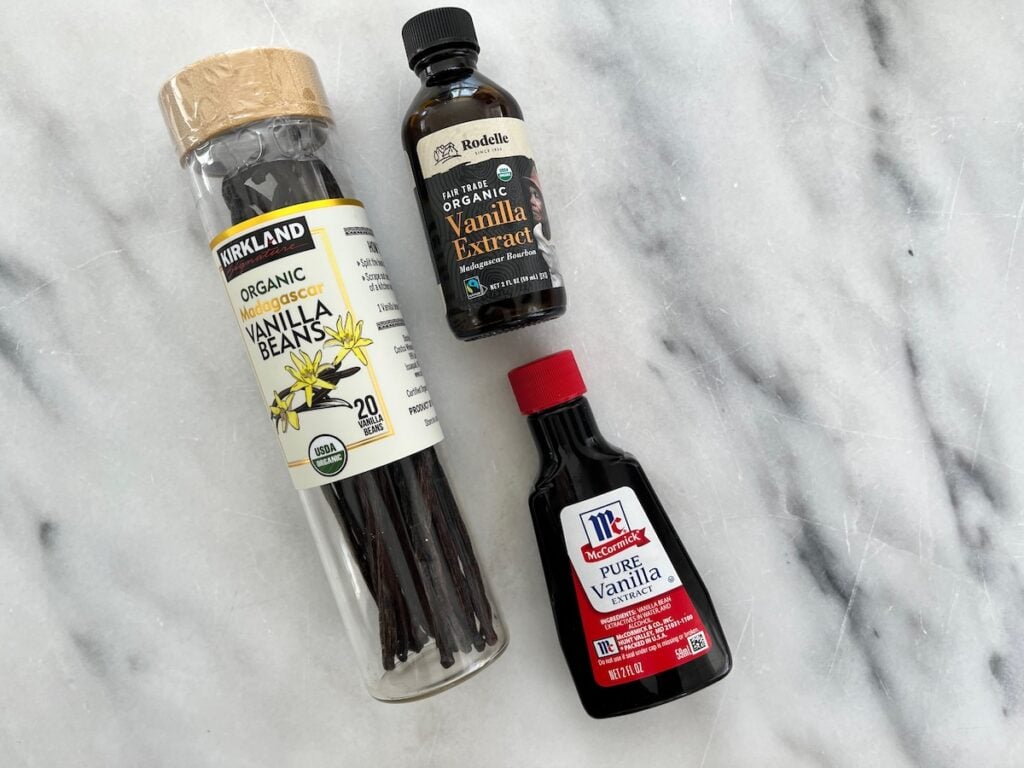
What is vanilla?
This page may contain affiliate links, which means I may be compensated if you click a link. However, there is no cost to you. Also, as an Amazon Associate, I earn from qualifying purchases. For more info, please see my Privacy and Disclosure page.
Vanilla is derived from an orchid that produces bean pods, which are the basis for all vanilla-based products. This tropical plant thrives in various regions, with the finest varieties originating from Madagascar, Tahiti and Mexico. Each of these regions imparts its own unique and captivating flavors to the vanilla, enhancing its culinary versatility.
You can get vanilla in various of forms including:
- whole beans
- powder
- extract
- bean paste
- sugar
Experiment with them all to find your favorite flavors. For the best flavor, source your vanilla from a company like Native Vanilla that specializes in the very best quality vanilla products.
Whole vanilla beans

Whole vanilla beans provide the most authentic and intense vanilla flavor. These beans are filled with thousands of flavorful seeds, offering a rich and aromatic experience. They contain both the tiny seeds and the aromatic oils from the vanilla pod. While using whole vanilla beans requires a bit more effort, the results are undeniably worth it.
I love using them in a variety of recipes that will show off all of the tiny seeds, such as ice creams, custards, infused syrups, sauces, drinks and all types of baked goods like this rustic vanilla bean skillet cake.
When a recipe calls for a vanilla bean, you first need to remove the seeds by carefully slitting the vanilla bean pod in half lengthwise using a sharp paring knife. Then scrape the pod from top to bottom using the dull side of the blade to remove the seeds and immediately use the seeds in your recipe.
Equivalents
A single whole vanilla bean equals 1 tablespoon of vanilla extract. Depending on the size of the vanilla bean pod, you can expect 1/2 to 1 teaspoon of seeds.
“I make a vanilla simple syrup with vanilla beans that is delicious in my morning lattes,” says Susannah Brinkley of Feast + West. “Using real vanilla beans over extract gives a richer, more robust pop of vanilla flavor.”

Vanilla bean paste
No vanilla bean? No problem! You can use vanilla bean paste as a flavorful substitute. This paste is created by blending ground vanilla beans with concentrated vanilla extract, resulting in a smooth and velvety texture that contains tiny black vanilla seeds and the rich aroma of the vanilla pod.
Vanilla bean paste is a convenient alternative to expensive vanilla bean pods and is ideal for recipes that don’t require a whole bean. It delivers excellent flavor while providing the visible vanilla specks that enhance the presentation of your dishes. You can substitute vanilla bean paste for vanilla extract in 1:1 ratio. So, if a recipe calls for one teaspoon of vanilla extract, you can use one teaspoon of vanilla bean paste.
When I know the seeds of the vanilla bean will be visible in a recipe, I like to use vanilla bean paste to see the seeds, like in this recipe for vanilla bean banana cake. You can add the paste to icing, custards and sauces for added visual appeal.
Vanilla extract

Vanilla extract is a popular choice for adding flavor when baking, such as in oatmeal cookies or making homemade frosting from scratch as I did with this baked doughnuts recipe as well as this Easter layer cake. It works well with a wide variety of ingredients and adds a subtle floral and sweet taste to baked goods. This versatility also makes it suitable for enhancing flavors in drinks and savory dishes.
“I use vanilla not only in my baking, where it adds to the depth of flavor, but also in some of my savory dishes,” says Michelle Price of Honest and Truly. “A little bit of vanilla extract in a pot of chili or beef stew, for example, or a vanilla bean with some butter when I roast fish in foil, really adds to the dish in ways you don’t expect.”
Keep in mind that real vanilla extract contains a minimum alcohol content of 35 percent. Anything under this amount is a vanilla flavoring, technically, and will say so on the label — even if the bottle looks similar to vanilla extract.
Vanilla powder
Vanilla powder is a dry, concentrated form of vanilla flavor made by grinding whole vanilla beans into a fine powder. It adds rich flavor but, unlike extract, it is alcohol-free.
Vanilla powder is a convenient alternative to using whole beans or vanilla extract. It’s perfect to use when you want vanilla flavor but can’t use the extract, such as on top of baked goods or when making a spice blend. You would use 1/2 teaspoon of vanilla powder in place of 1 teaspoon of vanilla extract in recipes.
Vanilla sugar
Vanilla sugar is granulated sugar infused with vanilla beans, adding a delightful hint of vanilla flavor to your recipes. It can be used in any recipe that calls for sugar, making it a versatile ingredient. The potential uses for vanilla sugar are endless, from sweetening baked goods to enhancing beverages and desserts.
- Add the sugar to baked goods recipes or top your unbaked quick bread for a sweet and flavorful topping.
- Roll cookies in the vanilla sugar.
- Use in ice creams, sauces, custards and whipped cream.
- Sprinkle vanilla sugar on top of bread or pies before baking for a sweet vanilla-flavored topping.
Portions of this article originally appeared on Food Drink Life.