
How to Freeze Apples
If you’re lucky enough to live near apple orchards like we do and like to visit, then you probably have an abundance of fruit at one time or another. Rather than rush to eat everything before they spoil, learn to freeze apples. This simple preservation method ensures you can enjoy the fruit’s natural sweetness even months later in pies, sauces, Crock Pot dinners and more.
Why freezing apples is worth it
This page may contain affiliate links, which means I may be compensated if you click a link. However, there is no cost to you. Also, as an Amazon Associate, I earn from qualifying purchases. For more info, please see my Privacy and Disclosure page.
While freezing slightly alters the texture of apples, it doesn’t diminish their flavor. They work beautifully in cooked recipes like pies, cobblers or oatmeal. For instance, frozen apples work beautifully as a swap for frozen cherries in this crumble recipe.

Prepping the fruit for freezing
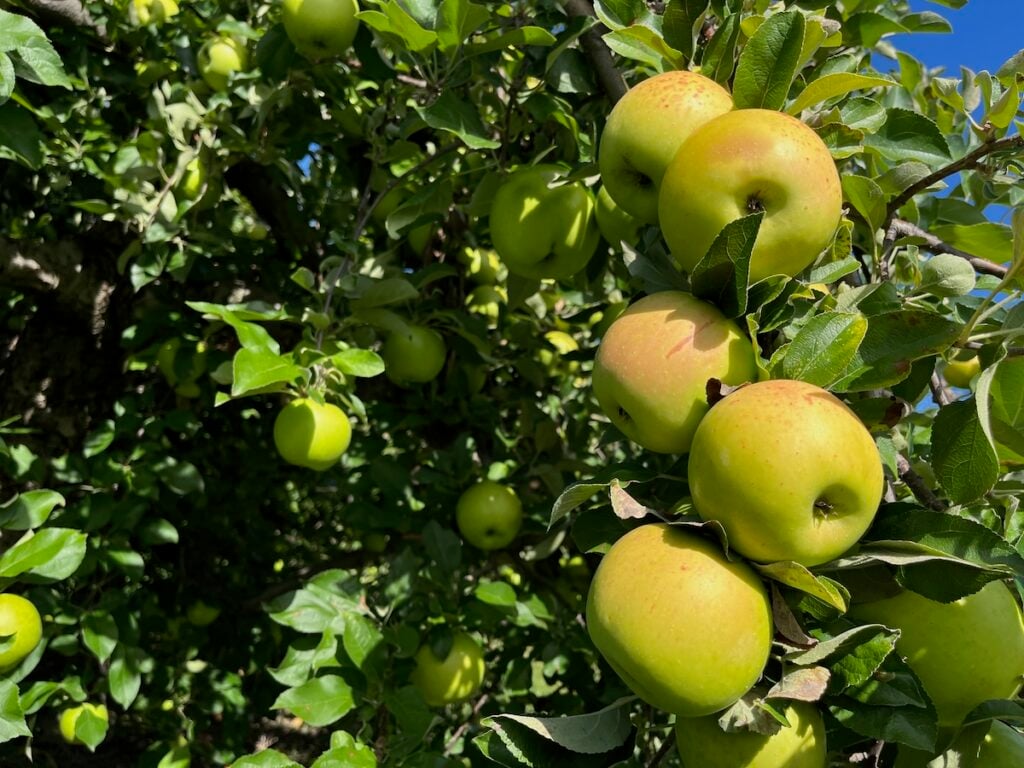
Start by selecting firm, fresh apples, such as apples you just picked at a local orchard like the golden delicious ones shown in this article featured image. We picked them a few months ago. Wash under cold running water to remove any dirt or wax.
To peel or not to peel: that is the question. If you’re going to use the apple later in recipes that call for them to be peeled, then peel. However, if you plan to use them in smoothies or sauces, you can leave the skins on.
Next, core the apples and slice or chop them into small pieces. This apple corer, slicer and divider has been a lifesaver in our kitchen. We use it for prepping apples to freeze them, without ever having to grab a knife, or when we want to enjoy apples and peanut butter as a snack.
Unlike other fruits and vegetables that you might blanch before freezing, you don’t have to do that with apples. However, if you want to prevent them from turning brown, you can soap the pieces in a mixture of water and lemon juice for a few minutes. Keep in mind this optional step is for optics only. In the end, it won’t matter what the apples look like that you use in pies or this slow cooker pork chops with apples and stuffing recipe. What matters is that they still taste good and they will after freezing.
Packing and freezing apples
Dry the apple pieces thoroughly. Any moisture left behind will become ice crystals, which can affect the flavor after you thaw them later. Spread the apples in a single layer on a baking sheet lined with parchment paper. Freeze until the apples are firm. This step, known as flash freezing, keeps them from clumping together.
Once frozen, transfer the apples to freezer-safe bags or containers. Remove as much air as possible to avoid freezer burn. Label the containers with the date and portion size, such as one cup, for easy use later. Try to use your frozen apples within six to nine months for best flavor.
Best recipes for using frozen apples
Use frozen in classic desserts like apple pie, turnovers or crisps. They’re also perfect for apple butter, compotes or chutneys. For breakfast, toss frozen apple chunks into oatmeal, pancakes or muffins. Apples are also a wonderful addition to savory meals, like slow cooker pork roast or roast chicken.
Using frozen apples
If you need thawed apples, place them in the refrigerator overnight for a gentle defrost or use a microwave for quicker results. Thawed apples will be softer, making them ideal for baking or cooking. Otherwise, you can toss apples straight from the freezer into other recipes. The one exception: don’t use them in places where you need them to have a firm texture such as salads. For those, stick with fresh apples.
Final thoughts
Freezing apples is an excellent way to preserve their flavor and versatility. With proper preparation and storage, you can enjoy the convenience of having ready-to-use apples year round.
Portions of this article originally appeared on Food Drink Life.