
Can Asparagus Be Frozen
Can asparagus be frozen? Yes, it can and, in fact, freezing asparagus is a simple and effective way to preserve its fresh flavor and texture. This guide shows you how to properly freeze asparagus so that you can enjoy it throughout the year.
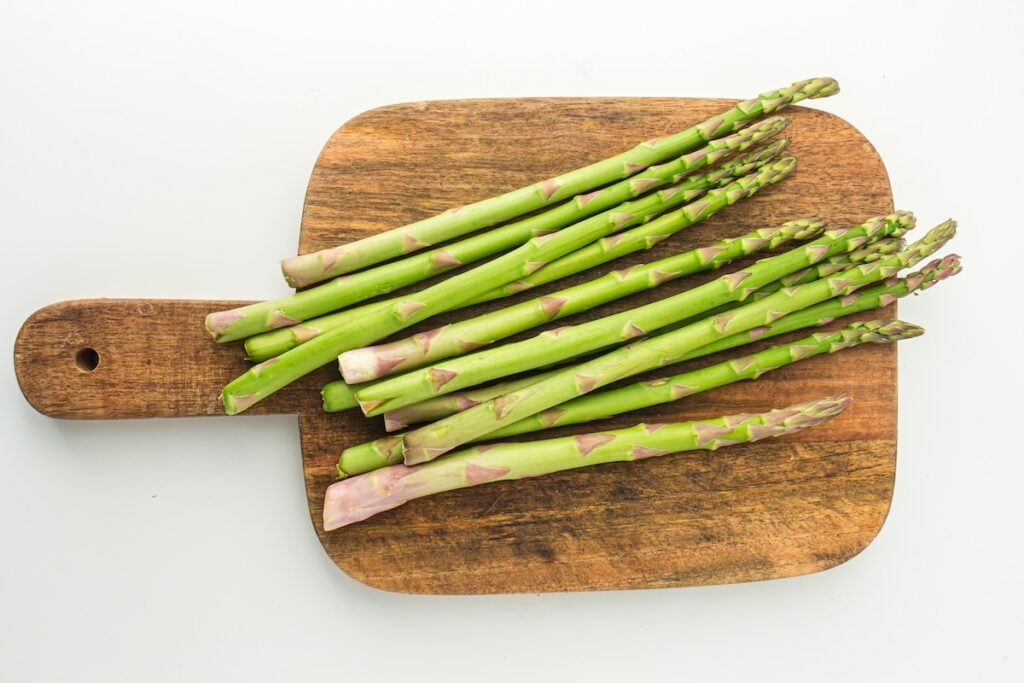
Freezing asparagus
This page may contain affiliate links, which means I may be compensated if you click a link. However, there is no cost to you. Also, as an Amazon Associate, I earn from qualifying purchases. For more info, please see my Privacy and Disclosure page.
Asparagus is a delicate vegetable so you have to make sure that when you want to freeze it, you do it the right way. So that later on when you want make frozen asparagus in the air fryer or use it in another recipe, such as cream of asparagus soup, you know that the vegetable has maintained its quality and will still be delicious to eat.
There are three tried-and-true methods for making frozen asparagus that ensures you can enjoy the taste of spring well into the colder months. They are freezing:
- raw asparagus
- blanched asparagus
- cooked asparagus
Freezing raw asparagus
This method is straightforward and allows you to freeze raw, uncooked asparagus either whole or cut into pieces.
- Wash and dry the asparagus spears.
- Trim off the tough, woody ends of the spears.
- Place asparagus into freezer-safe bags or containers. Remove as much air as possible from the bags before sealing. This helps to avoid ice crystal forming on the frozen asparagus, which can lead to freezer burn.
Blanching asparagus before freezing
Blanching is an additional step that helps preserve the flavor and color of asparagus by halting enzyme activity. It involves submerging the asparagus spears in boiling water for two to four minutes and then rapidly cooling them in an ice bath.
Freezing fully cooked asparagus
For those who prefer to have pre-cooked asparagus on hand, this method involves cooking the asparagus before freezing. So you would cook it by steaming or boiling until it reaches a tender-crisp texture, usually about three to five minutes. Once cooked and cooled completely, transfer to freezer-safe plastic or silicone bags. Remove excess air from the bags, seal them tightly and freeze.
Reheating and serving frozen asparagus
Choosing the right method for reheating frozen asparagus will depend on how it was prepared and your intended use. For instance, whole asparagus is ideal for stir-fries, pasta dishes and as a side where texture is key.
“My favorite way to use frozen asparagus is in Instant Pot risotto,” says Sage Scott of Sage Alpha Gal. “I just toss them in frozen, and they add a touch of spring to a delicious comfort dish during the winter months.”
You can enhance the flavor of frozen asparagus with fresh herbs like parsley, dill or mint. Consider pairing with condiments like a lemon vinaigrette or a creamy herb sauce, like this chimichurri aioli, for added flavor.
Blanched asparagus
If you don’t care so much about texture, you can use blanched asparagus that you’ve thawed in the microwave on the defrost setting or left in the refrigerator overnight in soups or stews. Same with cooked asparagus that you have thawed.
Try each of these methods to see what works best for you. Be sure to use this guide to prolong the life of your harvest of asparagus and have some on hand for any occasion.
Portions of this article originally appeared on Food Drink Life.