
Freezing Peppers the Right Way
We all know that we can buy frozen peppers at the grocery store. However, what if you grow peppers in a garden or bought some at the farmers market or supermarket and are worried they will go bad before you can use them? If you were wondering about freezing peppers, yes that is a possibility. Read on for the right way to do that.
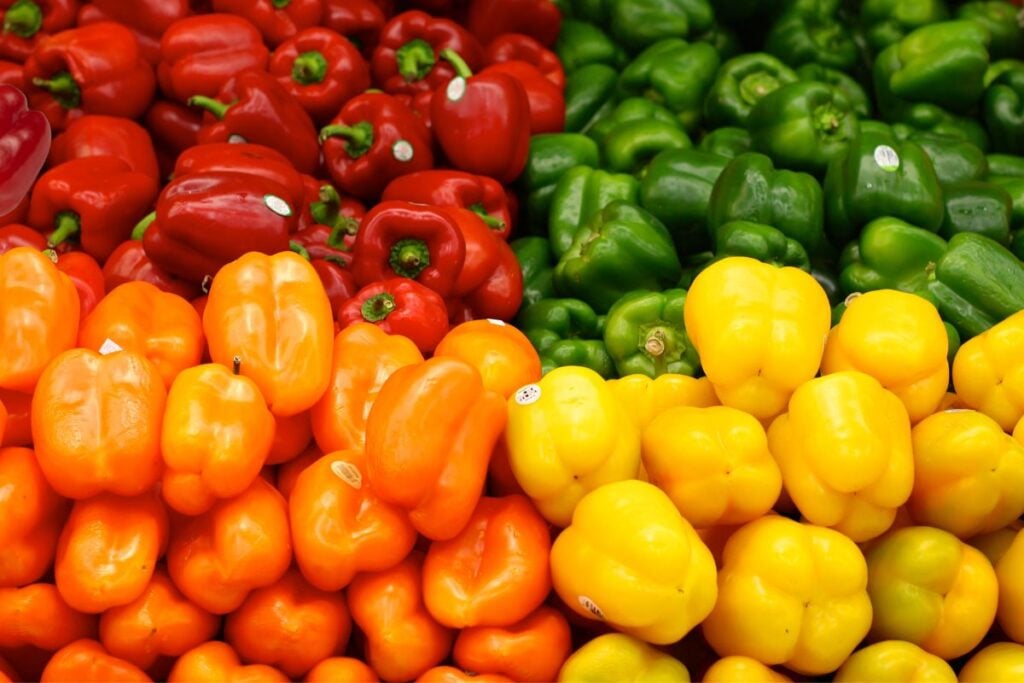
How to freeze peppers
This page may contain affiliate links, which means I may be compensated if you click a link. However, there is no cost to you. Also, as an Amazon Associate, I earn from qualifying purchases. For more info, please see my Privacy and Disclosure page.
Freezing peppers is a relatively easy, quick and straightforward process. Follow these steps for the best results, and you’ll have a stash of peppers ready for any recipe, ranging from steak and black bean chili to goat cheese-stuff mini peppers, an awesome appetizer.

Freezing raw peppers whole or in pieces
This method is the most popular and allows you to freeze peppers either whole or cut into pieces, depending on how you plan to use them later. You can use this with big peppers, such as bell peppers, or smaller peppers like mini sweet peppers. In this method, your peppers are raw or uncooked.
Regardless of which kind of pepper you’re working with or whether you will keep them whole or sliced when freezing, start by washing and thoroughly drying the peppers. Next, remove the stems. If you are planning to slice them for freezing, now is the time to also remove the seeds and inner membranes.
If you’ll be freezing your peppers in pieces, you can slice them into strips, rings or pieces. I prefer to cut them for two reasons. One, they’re easier to store because they take up less space in the freezer. And, two, I rarely make recipes using whole peppers. Instead, I like to use peppers in stir fries like pork stir fry where slices cook faster.
Next, you’re going to use the flash-freezing method. You do this by spreading the pepper pieces on a baking sheet in a single layer and keeping them in the freezer until solid. This prevents them from clumping together. Once frozen, transfer the peppers to freezer-safe bags or containers. Whether you’re freezing them whole or in pieces, when you transfer them to the containers in which you’ll be storing them, make sure you remove as much air as possible before sealing. This will help to prevent freezer burn.
“We grow red, green and orange peppers in pots and in our garden,” says Sarita Harbour of Recipes From Leftovers. “I freeze them to use later in Mexican dishes and on pizzas. I slice some peppers and dice others, flash-freeze them on a pan and then into freezer bags so I can grab them as needed.”
Cooking peppers first before freezing
If you prefer to have pre-cooked peppers ready to go, this method involves cooking them before freezing. So you would cook them by sautéing, roasting or air frying until they reach your desired level of doneness. This will take five to 10 minutes for sautéed peppers. Roasted vegetables take about 30 minutes. Air frying usually takes about 15 minutes, sometimes faster than that.
Once cooked, allow the cooked peppers to cool completely. Store cooked peppers in bags versus containers. Why? I don’t have the science behind it but trust me on this one. So go right to transferring the cooled peppers to freezer-safe plastic or reusable silicone bags. Remove excess air from the bags, seal them tightly and freeze them.
Note: blanching is a common practice for preserving certain vegetables before freezing. However, it is not frequently done with peppers. Most people prefer to freeze peppers raw because they retain their texture, flavor and nutritional value quite well without the need for blanching. That’s why if you want to freeze cooked peppers, I’ve offered other ways of cooking them first.
Reheating and serving frozen peppers
The best way to reheat frozen peppers depends on how they were prepared and your intended use. For instance, if you’re planning on making stuffed peppers, then you’ll want to use those whole peppers that you froze raw. You should thaw them in the refrigerator overnight first.
On the other hand, if you’re going to be using frozen peppers in pieces in stir-fries, such as a vegetable yaki udon, casseroles or a simple pasta dish, like this aglio olio e peperoncino, you can use those raw peppers straight from the freezer. Just allow enough time for them to heat through.
“I use frozen peppers in soups, casseroles and stir-fry recipes,” says Lucy Brewer of Southern Food and Fun. “The convenience of using frozen peppers cuts down on prep time and helps you get dinner on the table quicker. And it’s so easy to freeze them yourself!”
For cooked peppers, thaw them either in the microwave on the defrost setting or in the refrigerator overnight. You can also use a bowl of cold water to speed up the process by submerging the sealed bag of peppers until thawed. These peppers are perfect for recipes like fajitas, quesadillas or as toppings for pizza.
For added flavor, be sure to use plenty of herbs and spices in dishes using frozen vegetables. Popular choices include cilantro, basil and paprika.
Final thoughts
By following these freezing techniques, you can enjoy peppers in a variety of dishes year-round. Choose the method that best suits your cooking style and the dishes you plan to make.
Portions of this article originally appeared on Food Drink Life.