
Best Butter Substitutes
Many butter substitutes are available from plant-based spreads to oils and other alternatives. No matter why you need an alternative to butter, here are several options and how to use them in your recipes.
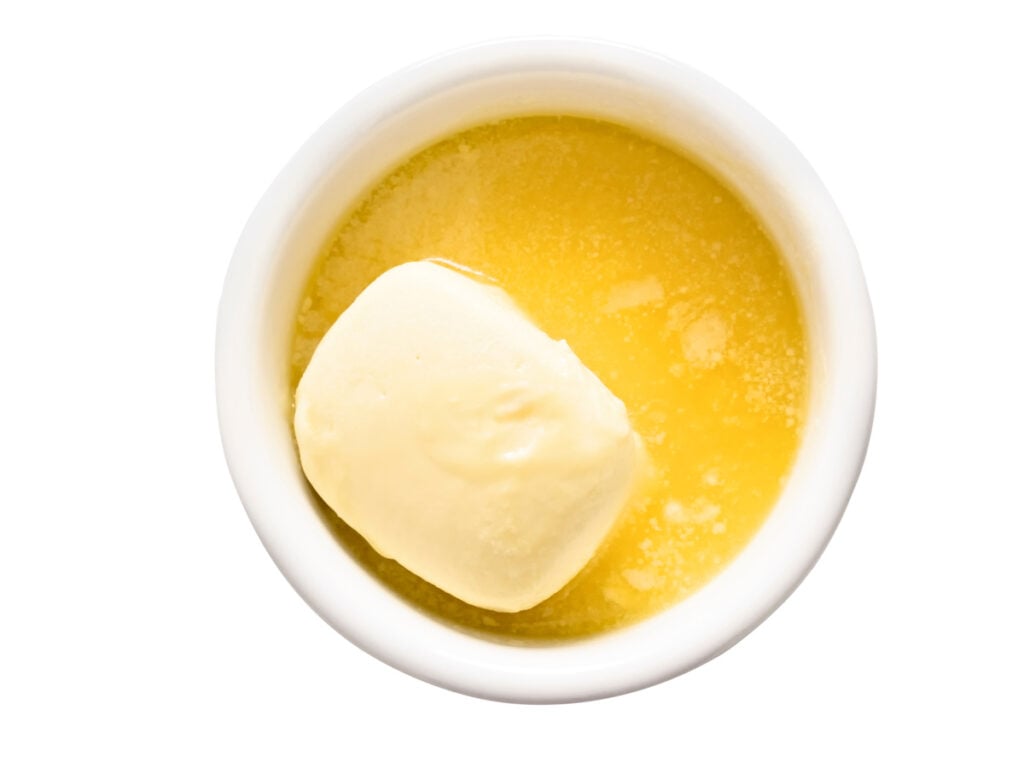
Why butter — and butter substitutes — are necessary
This page may contain affiliate links, which means I may be compensated if you click a link. However, there is no cost to you. Also, as an Amazon Associate, I earn from qualifying purchases. For more info, please see my Privacy and Disclosure page.
When cooking or baking, you want to use butter because it adds flavor and texture to your food. Also, it helps baked goods rise, plus adds softness and moisture. Butter is also an emulsifier that helps to blend and stable ingredients in your recipe. Finally, butter promotes browning, if that’s something you’re looking for with your final dish.
Common butter substitutes
When using a butter alternative, keep in mind that it may change the texture or flavor of the dish. Not all substitutes are one to one so you may have to add to or reduce other ingredients to make them work.
Vegetable oil
Vegetable oil provides the fat content that butter does but not the water, so baked goods will be more dense. Use ¾ cup of oil for every one cup of butter the recipe calls for. It is best for cakes, quick bread, muffins and savory dishes. It also works for sautéing, stir-frying, frying and sauces.
Olive oil
Olive oil has a more distinct flavor than vegetable oil and will add a savory flavor to your baked goods. Use 3/4 cup of oil for every one cup of butter the recipe calls for. For baking, use extra virgin or light olive oil. It works best in recipes that call for melted butter like cakes, muffins and quick bread.
The distinct flavor of olive oil can enhance the taste of salad dressings and dips when a recipe calls for melted butter. Olive oil also works for sauteing, stir-frying, sauces and roasting.
Coconut oil
Coconut oil has a high fat content and adds a distinct flavor to your baked goods. It can be used as a one to one substitute for butter. Always measure coconut oil in its solid form, except in recipes where melted butter is called for. It works best as a substitute for butter in cookies, cakes, quick bread and pie crusts. Coconut oil also works well in sauteing, stir-frying, frying and sauces.
You can use it another way too — to make pancakes, if you discover you’re out of butter, which often happens to Tamara Tsaturyan of Thriving In Parenting. But when the kids want their pancakes, it is coconut oil to the rescue.
Applesauce
Unsweetened applesauce helps lower the fat content and acts as a binder and helps add moisture. Due to the lack of fat, the final product will be denser. Use 1/2 cup of applesauce for every cup of butter the recipe calls for. It works best in cakes, muffins, quick breads and pancakes.
Buttermilk
Buttermilk adds moisture and a tangy flavor to your recipe. It can be used as a one to one substitute for butter. It works best in cakes, muffins, quick bread and pancakes.
Shortening
Shortening is a solid fat and has a higher boiling point than butter, which may affect the texture. It can be used as a one to one substitute for butter but may have a different flavor. Shortening works best in cookies, pie crusts and frostings.
Greek yogurt
Plain Greek yogurt has a lot of moisture and adds some tang to the flavor. It adds a velvety texture and lots of protein to your recipe. If the recipe calls for more than 1/2 cup of butter, use 1/2 cup of Greek yogurt for every cup of butter. If the recipe calls for 1/2 cup or less, use 1/2 cup for every 1/2 cup of butter. Greek yogurt is best in cakes, muffins, quick breads and pancakes.
Avocado
Avocado has a similar fat content to butter and takes on the flavors around it so it doesn’t affect the flavor of the recipe. It can be used as a one to one substitute for butter. Avocado works best in cakes, muffins, quick breads and brownies. Or you can try a commercial product made with avocado oil, such as Country Crock Plant Butter.
Pumpkin puree
Pumpkin acts as a binder, just like butter. It will make baked goods denser and affects the flavor and color. Make sure the flavor goes with the baked goods you are making. Use 3/4 cup of pumpkin for every cup of butter. Pumpkin puree works best in cakes, muffins, quick bread and pancakes.
Sour cream
Sour cream adds moisture and tanginess to the final product. Add sour cream when the wet ingredients are called for in your recipe. Use 1/2 cup of sour cream for every cup of butter. Sour cream works best in cakes, muffins, quick bread and pancakes.
Nut butters
Peanut butter, almond butter and cashew butter can be used in place of butter. For best results, add nut butter and oil in place of butter. For every cup of butter, add ½ cup of nut butter and 1/2 cup of oil. Nut butters will result in a denser baked goods so they are best for cookies, bars, smoothies, sauces and spreads.
Seed butters
Tahini — sesame seed butter and pumpkin seed butter add flavor, moisture and healthy fat. Use 1/2 cup of seed butter for every cup of butter. Seed butters work best in cookies, bars, smoothies, sauces and spreads.
Silken tofu
Silken tofu adds moisture, texture and protein to the final product. For every cup of butter that is called for, use 1/2 cup of silken tofu. In order to use silken tofu, make sure it is unflavored and unsweetened. Drain it and pat it dry with a paper towel, then place it in a blender until it is smooth and creamy.
When adding to the recipe, add silken tofu when you add the wet ingredients. You may need to add more baking powder or baking soda so your baked goods rise properly. Silken tofu works best in cakes, muffins, quick bread and cookies.
Butter as a substitute
On the flip side of this discussion is using butter as a substitute. When might you do that? When you’re looking for an alternative to using cooking spray. Butter does a great job of greasing pans more accurately than a sprayed oil can.
Portions of this article originally appeared on Food Drink Life.